When the air drifting from your vents turns thin and weak, something upstream is throttling it. The good news is that weak airflow almost always has a traceable cause, and most of them are straightforward to fix once you know where to look, starting with the parts of the system you can see without tools.
Three Signs It's the Equipment, Not the Ducts
All vents weak, everywhere. One quiet vent points to a duct issue; every vent showing the same weak flow points to the blower, filter, or coil. Ice on the refrigerant lines. Frost means low refrigerant or a starved coil, and it needs a professional. Audible strain. A blower that has gotten noticeably louder over the season is telling you something.
Start With How an AC Actually Works
An air conditioner cools the air and removes moisture from it in the same breath. Ontario summers supply plenty of both heat and humidity, which is why a system that feels fine in June can fall behind by late July. It is rarely a sudden failure; it is a load problem, and load problems come from a handful of common sources.
Moisture is the part people forget. In a humid climate, dehumidifying is the difference between a house that reads cool and a house that feels comfortable, so it deserves a closer look.
Too Small, Too Old, or Both
The undersized unit. A unit too small for the home's cooling load runs without pause, cools unevenly, and leaves the air damp because short cycles remove very little moisture. The aging unit. Capacity fades as equipment gets older; worn compressors move refrigerant less effectively and coils lose their ability to shed heat. The pattern homeowners describe is always similar: it used to keep up, and somewhere around the second decade it stopped.
Two Problems Best Left to a Technician
Low refrigerant. If a leak has left the charge low, the indoor coil runs too cold, icing over and choking airflow to a trickle. A leaky house. Gaps and thin insulation let warm, humid air pour in faster than the vents can push cool air out.
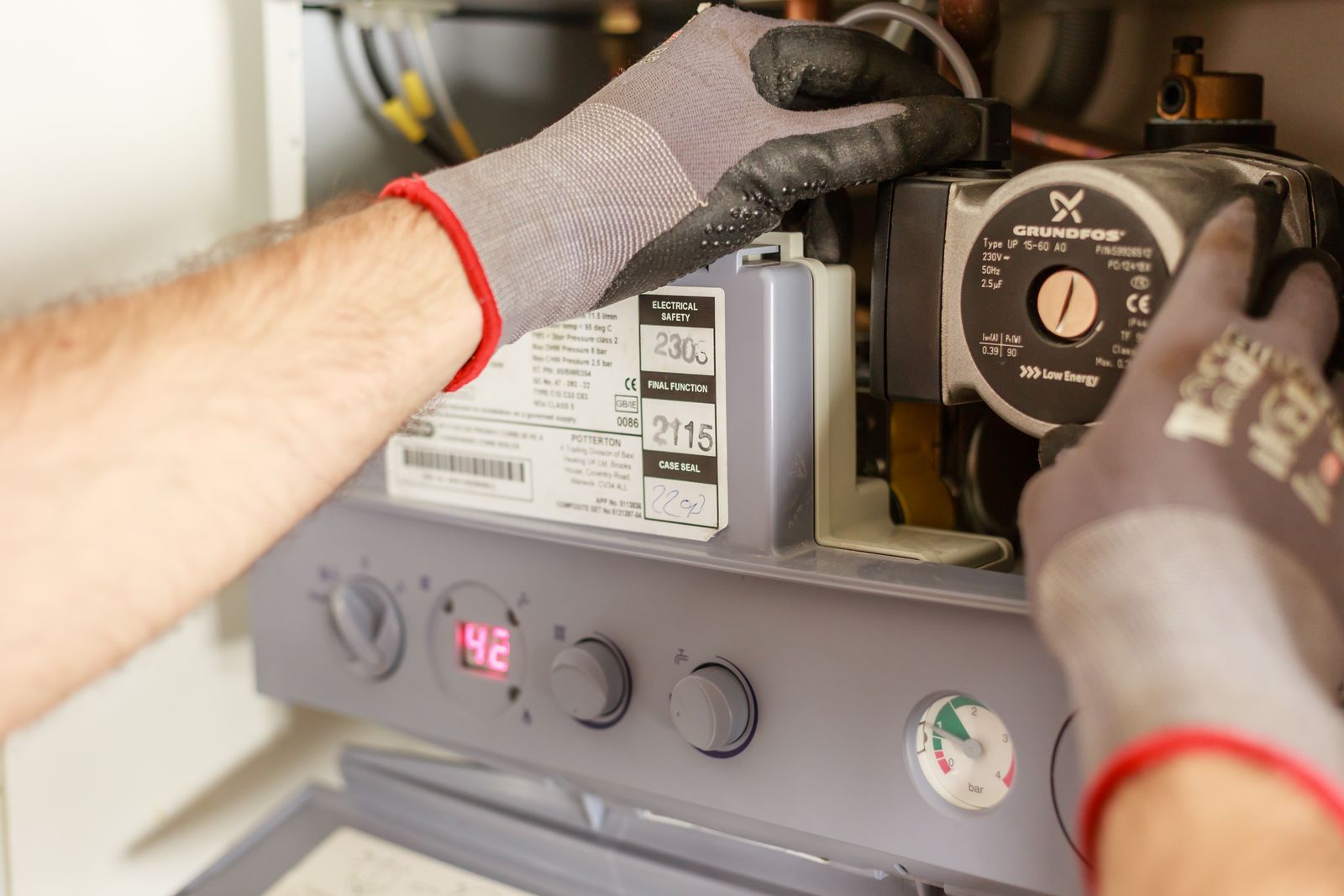
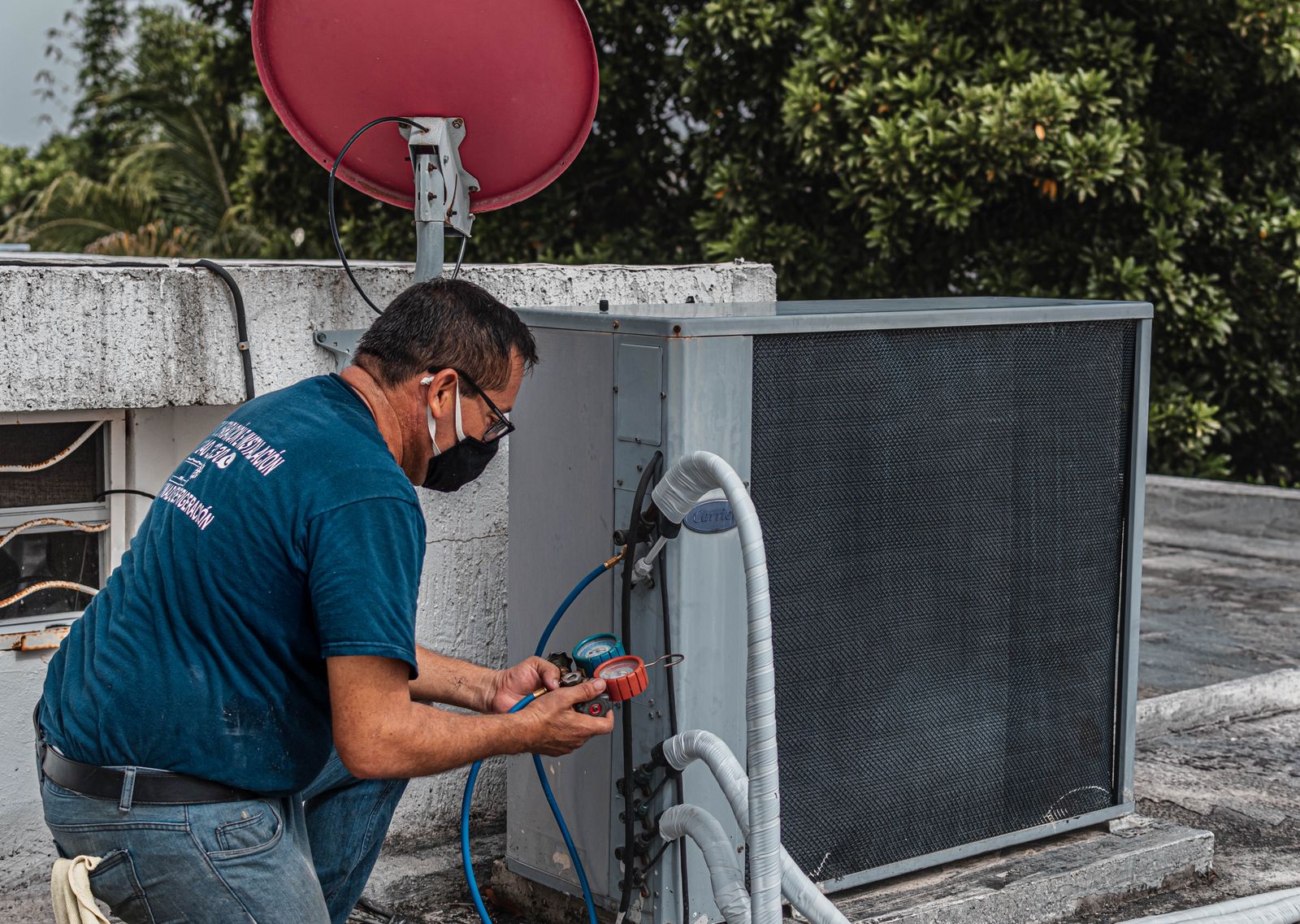
A qualified service technician can measure the airflow drop across the coil, test the charge for leaks, and inspect the duct system for restrictions, then walk you through the findings rather than recommending work on a hunch. That measurement step matters.
The Silent Efficiency Thieves
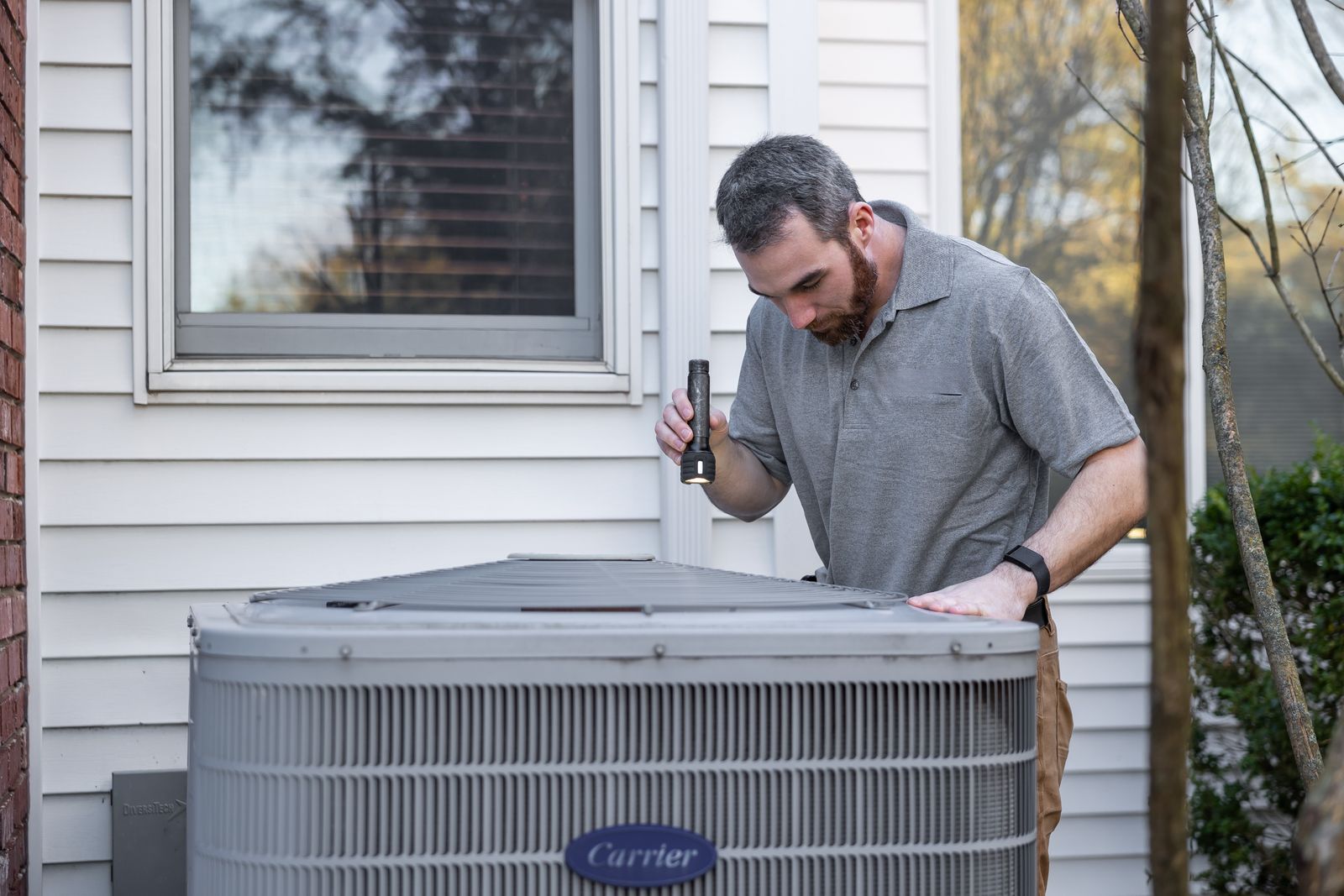
A clogged filter. A full filter can add hours of runtime per week by choking airflow, and checking it takes two minutes. Dirty coils. Dust on the indoor and outdoor coils slows heat exchange, so the system burns electricity while moving less heat than it should. A crowded condenser. The outdoor unit needs open space to dump heat; leaves, planters, and stored items pressed against it force longer cycles straight onto your hydro bill.