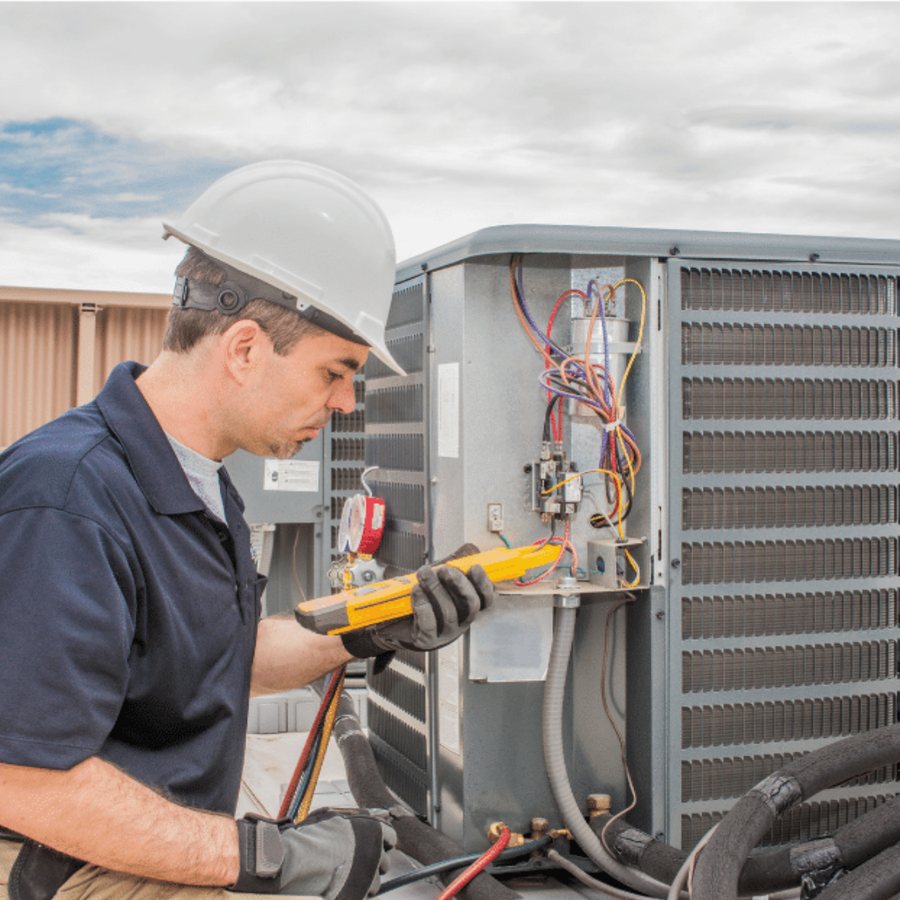
Request heat pump repair & installation for a property in Richmond Hill. Include the equipment, the problem or planned work, and your location so the request can be reviewed.
What information helps decide whether a heat pump should be repaired or replaced?
Heat pumps provide heating and cooling, but diagnosis and installation depend on whether the equipment is ducted or ductless, conventional or designed for colder operating conditions. A heating fault, uneven cooling, or unusual noise does not identify a failed component by itself. Inspection findings, equipment records, refrigerant type, controls, and the condition of connected components help define a repair. For replacement, compare system configuration and property requirements rather than treating every heat pump as interchangeable.
Record whether the fault occurs in heating, cooling, or both, and whether it affects all zones or one indoor head. Model and refrigerant information, diagnostic indications, service history, and the condition of coils and controls help guide inspection. For installation planning, confirm ducted or ductless configuration and existing electrical and control compatibility. These observations distinguish a repair from a system-selection project.
Ducted, ductless, and cold-climate heat pump diagnosis
Coils, controls, airflow, and refrigerant checks
Equipment configuration and replacement compatibility
Assessment and Scope
Questions for the Proposed Work
01
Diagnose by system type and operating mode
Air-to-air ducted systems and ductless mini-splits have different airflow paths, sensors, and controls, so the same symptom can have different causes. Cold-climate models also have operating sequences that should be assessed against their specifications. Inspection should identify whether the problem is limited to heating or cooling, affects one zone, or involves the outdoor unit. This evidence helps define the repair without assuming a particular component has failed.
02
Treat maintenance as a separate decision
Maintenance is not a substitute for diagnosing a fault. Depending on the model and inspection findings, service may include checking airflow, coil condition, drainage, controls, and refrigeration operation as directed by manufacturer instructions. Refrigerant charge should not be adjusted without testing that establishes a need. Documenting maintenance and past repairs helps distinguish gradual condition changes from a new failure and supports a more informed repair decision.
03
Plan replacement around configuration and compatibility
Replacement choices include standard or cold-climate equipment and ducted or ductless configurations, each with different installation requirements. Confirm the existing distribution system, electrical supply, controls, and indoor and outdoor equipment before comparing options. Refrigerant type and availability can affect the scope of work on an older unit. A major repair may still be appropriate, but a replacement comparison should account for overall equipment condition rather than refrigerant type or age alone.
Compare the next step
Ask for a written description of heating duties across the retained and new systems. Define supplementary heat, changeover conditions, distribution, and control ownership. Compare the proposed operating strategy with the household objective rather than assume adding a heat pump automatically coordinates the other appliances already installed.
Cold-climate capability does not prove that one model covers every home heating load. Ask how the selected equipment and supplementary heat meet the actual design requirements.