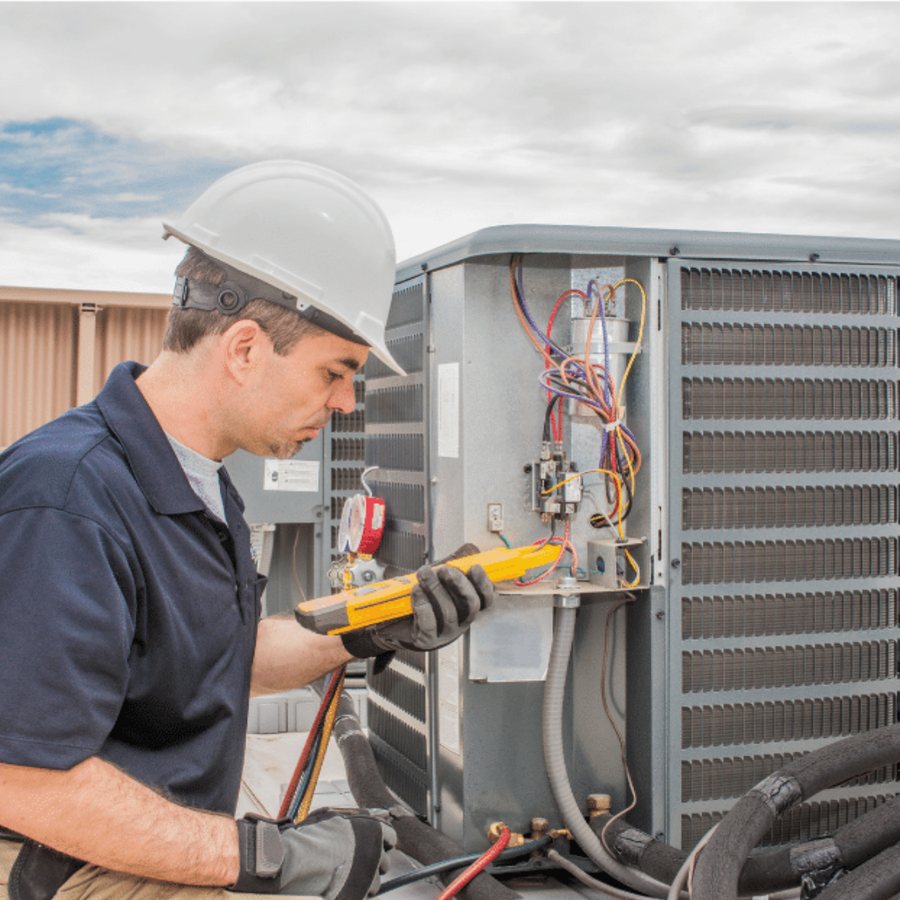
Request boiler service for a property in Richmond Hill. Include the equipment, the problem or planned work, and your location so the request can be reviewed.
What information helps diagnose a boiler that is not heating or is losing pressure?
Boiler service depends on the fuel, boiler design, and hydronic distribution system. A natural-draft cast-iron boiler feeding radiators differs from a condensing boiler connected to in-floor loops, so diagnosis and replacement planning must account for the actual equipment. No heat, leaking, or pressure changes can arise from ignition, circulation, expansion, or other faults. Inspection findings and service records help distinguish a focused repair or maintenance need from a replacement project.
Record which radiators or in-floor zones are affected, when the symptoms began, and any visible leakage or pressure changes. Boiler model, fuel, venting, distribution type, and prior service records help narrow the inspection. A no-heat condition may involve ignition or circulation, while pressure loss may point to a different part of the hydronic system. Do not open the boiler or adjust safety controls.
Gas, propane, and oil ignition and operating faults
Circulators, expansion tanks, pressure, and hydronic leaks
Cast-iron and condensing boilers serving radiators or in-floor loops
Assessment and Scope
Questions for the Proposed Work
01
Distinguish ignition, circulation, and pressure faults
A boiler that will not fire may have an ignition or fuel-related fault, while a running boiler with cold radiators may involve the circulator or distribution. Pressure loss and a leaking relief valve require investigation of the hydronic system, including the expansion tank where relevant. These symptoms are not interchangeable. Inspection should identify the fault before repair, and fuel type matters because gas, propane, and oil equipment have different components.
02
Match replacement planning to boiler and emitters
A replacement condensing boiler must be assessed against the existing radiators or in-floor loops, controls, venting, and system layout. A natural-draft cast-iron boiler has a different configuration and replacement scope. Confirm the fuel supply and distribution requirements before choosing equipment or sizing. A boiler’s age alone does not establish that replacement is necessary; compare its condition and repair needs with the requirements of a compatible new installation.
03
Let inspection findings determine maintenance
Maintenance should follow the boiler manufacturer’s instructions and the observed condition of the system. Inspection may identify corrosion, leaks, venting concerns, or components needing attention, but a hydronic flush should not be automatic. Water quality and system condition can affect whether flushing is appropriate. Keeping records of service, pressure changes, and prior repairs makes it easier to compare new symptoms and decide whether maintenance, repair, or replacement is warranted.
Compare the next step
Map the hydronic zones separately from rooms heated by other appliances. Ask which controls operate each system and whether a shared temperature sensor or schedule changes boiler demand. The service findings should name the affected equipment, circulation, and heat-delivery arrangement so a problem in another system does not become an unexplained boiler replacement recommendation.
Leave fuel, combustion, electrical, and pressure-system work to a qualified contractor. Do not adjust safety devices or repeatedly add water to a system with an unexplained leak or pressure loss.